A witness gives one account immediately after an event and another months later. Changed stories can reshape a case—but the reason for the change may matter as much as the inconsistency itself.
Photos, email, social media, cloud files and online accounts can survive long after their owner dies. The law increasingly has to decide who may access, preserve or control a person's digital life.
Screenshots of texts, social media posts and websites appear in court every day. But a screenshot does not prove itself. Courts still have to determine what it shows, where it came from and whether it is authentic.
AI can now create convincing photographs, recordings and voices depicting events that never happened. Deepfakes are forcing courts to reconsider how digital evidence can be authenticated and trusted.
Modern investigations can use location data to identify devices near a crime scene, potentially drawing innocent bystanders into an investigation simply because their phones were nearby.
The Digital Evidence You Create Without Knowing It | Court St Legal
Facial recognition is turning the human face into a searchable identifier used by phones, airports, businesses and law enforcement, raising lasting questions about privacy, accuracy and identity.
A forgotten recording, newly found document, DNA result or unexpected witness can surface after a verdict and challenge what everyone thought was settled. But new evidence does not automatically reopen a closed case.
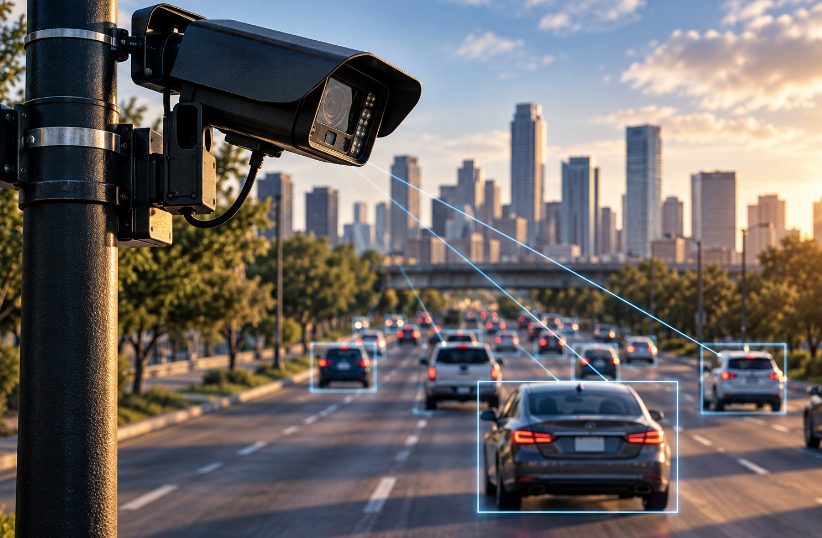
Modern cars can generate location, navigation and driving data long after a trip ends. When police investigate a crime, information created by the vehicle itself can become evidence.
Police can search many things after making a lawful arrest, but a smartphone is different. Here is why the Supreme Court generally requires a warrant before officers search the digital contents of an arrested person's phone.
A doorbell camera installed to protect one home can capture a crash, theft, missing person or crime involving complete strangers. That ordinary recording can later become important evidence in someone else’s case.
AI systems increasingly help make decisions about employment, credit, insurance, housing and other opportunities. When an automated decision causes harm, the law still has to determine who is responsible.